What Gishath does and why it leads the deck
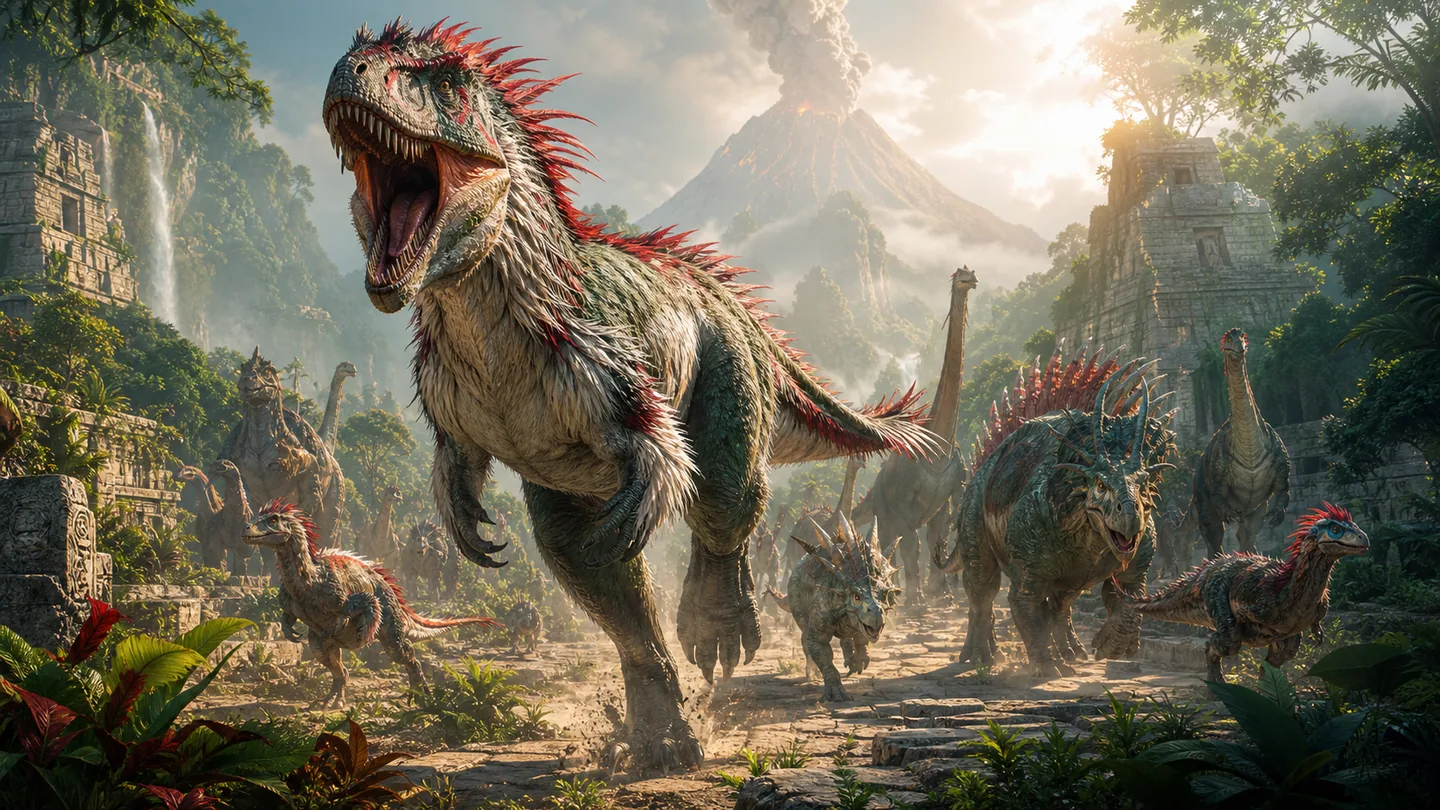
Gishath combines three decisive qualities for a tribal commander: haste, trample and an ability rewarding combat damage. When it connects with a player, it reveals as many cards as the damage dealt and puts the Dinosaurs found onto the battlefield. The deck must balance three areas: enough ramp to pay eight mana, a reasonable Dinosaur density and ways to get the attack through.
Its Naya identity allows green, white and red. Green supports mana development; white adds efficient answers such as Swords to Plowshares; red offers Chaos Warp, haste and pressure. The combination is powerful but requires planning your coloured sources.
This guide covers our fixed Dinosaur Commander list with Gishath, featuring 100 cards, a Bracket 2 strategy and a €60 reference price.
Dinosaur deck game plan
Early game: building eight mana
The first turns are not about waiting to draw a Dinosaur. Rampant Growth, Cultivate, Kodama’s Reach, Grow from the Ashes and Migration Path turn early green mana into more lands. Arcane Signet and Wayfarer’s Bauble complete the ramp package.
Cost reducers are another kind of ramp. Kinjalli’s Sunwing, Kinjalli’s Caller, Knight of the Stampede and Otepec Huntmaster help your Dinosaurs arrive sooner. Keep a hand that can cast these cards; a hand with Ghalta, Etali and other large creatures but no development is a trap.
Mid game: preparing Gishath’s attack
Between turns four and six, present threats that offer more than stats. Regisaur Alpha improves the board’s tempo, Garruk’s Uprising turns power into cards and trample, and Atzocan Seer helps with mana while preparing value for longer games.
This is also the time to remove the blocker or permanent that would stop the attack. Swords to Plowshares, Beast Within, Chaos Warp and Lignify cover different threats. Do not spend an answer on the first big creature you see: save it for something that stops Gishath or will end the game before you do.
Late game: connecting and chaining Dinosaurs
Gishath has haste, so it can attack the turn it enters. Even so, check how many opposing sources remain untapped. If the commander disappears before dealing damage, you will have spent almost your whole turn without getting the reveal.
When it connects, you do not control which cards appear, but you can improve the odds by keeping enough Dinosaurs in the list. Etali, Primal Storm generates another type of advantage when attacking; Ghalta, Primal Hunger turns your board’s total power into a much lower cost; Wakening Sun’s Avatar rewards a board of large creatures with life to sustain the race.
Key cards and their roles in the list
| Role | Cards in the list | Main decision |
|---|---|---|
| Land ramp | Cultivate, Kodama’s Reach, Rampant Growth, Explosive Vegetation | Reach eight mana without relying solely on creatures |
| Cost reduction | Kinjalli’s Sunwing, Knight of the Stampede, Kinjalli’s Caller | Play Dinosaurs earlier and chain two spells |
| Draw and value | Harmonize, Garruk’s Uprising, Return of the Wildspeaker | Refill your hand after developing the board |
| Interaction | Swords to Plowshares, Chaos Warp, Beast Within, Return to Nature | Clear a path or stop an opponent’s plan |
| Threats | Etali, Ghalta, Regisaur Alpha, Thundering Spineback | Generate immediate impact or hard-to-block pressure |
| Commander | Gishath, Sun’s Avatar | Turn combat damage into more Dinosaurs |
Etali and Ghalta have different roles
Etali rewards attacking and can generate cards without paying their costs, even when casting Gishath is unsafe. Ghalta takes advantage of a board with accumulated power to enter for less mana and apply pressure. Both are big, but solve different situations: Etali creates resources; Ghalta turns previous development into tempo.
Garruk’s Uprising keeps the engine running
A deck full of big creatures can quickly run out of cards. Garruk’s Uprising helps subsequent threats replace cards and improves combat. Playing it before the right Dinosaur usually creates more value than spending all your mana on one creature.
Which opening hand to keep
A solid hand contains:
- Three lands, ideally with green from turn one or two.
- Ramp or cost reduction before turn three.
- Planned access to white and red, even if both are not immediately available.
- A mid-cost play to stabilise the curve.
- At most two very expensive threats.
How to choose attacks with Gishath
You should not always attack the player with the lowest life total. The best target is usually whoever has the least total toughness and the fewest ways to remove your commander during combat. Count power, trample and blockers before declaring attackers.
Gishath’s vigilance keeps it available to block, which matters in multiplayer. However, the real aim is to connect: if an opponent can block with many small creatures, remove the piece absorbing the most damage or attack elsewhere.
Common mistakes in Dinosaur Commander
Running too many expensive creatures
The theme does not require filling every slot with a six-mana Dinosaur. Without ramp, draw and interaction, the deck watches everyone else play. Each large creature must justify what it contributes on entering, attacking or dying.
Casting Gishath into open mana
Haste encourages acting quickly, but eight mana is a huge investment. If the opponent holding answers keeps resources open, you can play another threat, force interaction and save the commander for a safer window.
Neglecting Dinosaur density
Each non-Dinosaur card improves a function but reduces the chance of Gishath finding creatures. Evaluate the balance in games: if you connect repeatedly and reveal very few targets, review situational spells before adding more ramp or answers.
The deck’s weaknesses and how to compensate
The first weakness is reliance on an expensive commander. If Gishath dies twice, tax can take it to twelve mana. The rest of the deck must therefore function without it through Etali, Ghalta, draw engines and other threats.
The second is the three-colour mana base. Prioritise early green because it unlocks Cultivate and other effects that find the remaining colours. The third is board wipes: do not deploy every creature in hand when the table already has to respond.
Possible upgrades by budget
Start with consistency: Naya sources that enter untapped when it matters, cheap protection and two-mana ramp. Then review Dinosaur density and draw engines. An expensive card cannot compensate for a hand that produces no green.
Apply our Commander upgrade method and find specific changes among our Magic singles. For another commander, budget or power level, request a custom Commander deck.
Who is this Gishath Commander deck for?
It suits players who enjoy building towards an explosive turn, attacking and watching one threat generate the next. The central mechanic is straightforward but offers real decisions about ramp, attack targets and how much to commit to the board.
View the full Dinosaur deck list and request a reservation. The list is designed for social Bracket 2 Commander. If you are new to the format, first review the Commander rules and Wizards’ official reference.