How Pokémon decks are classified
An archetype is defined by its main attacker, but it is better understood by its style: how long it takes to set up, how much damage it deals per turn and how it gets Prize cards. These are the five most common styles.
Aggro
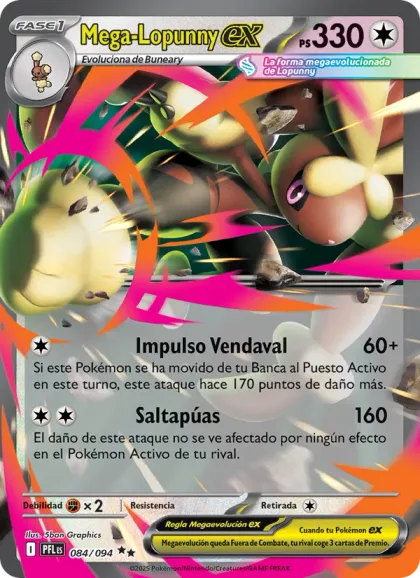
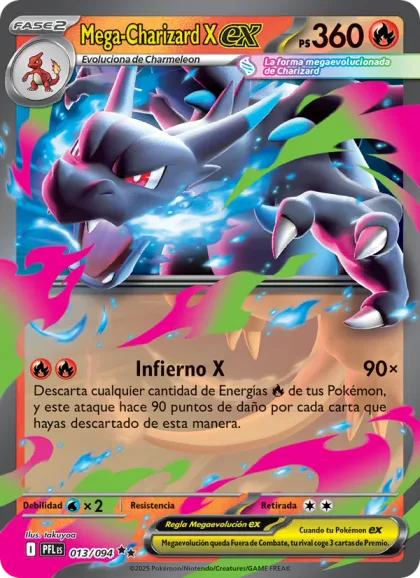
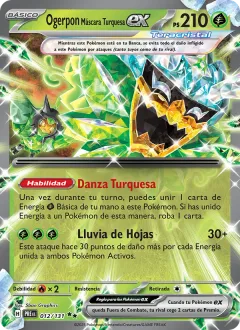
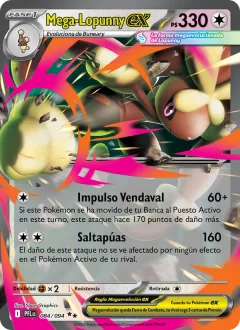
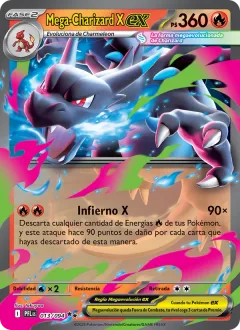
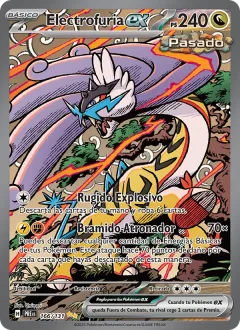
It wants to take all 6 Prize cards before the opponent sets up their plan. It attacks early, with little setup and lots of damage per turn.
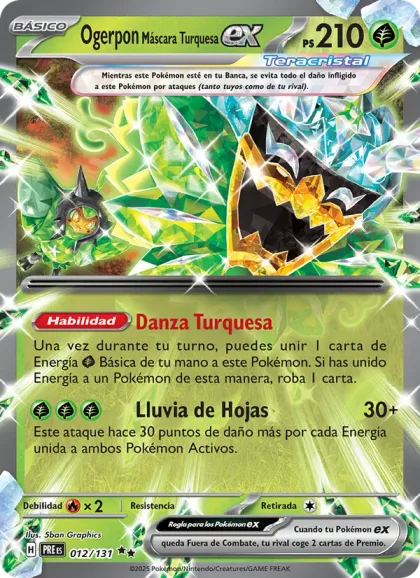
Examples: Teal Mask Ogerpon ex, Mega Lopunny ex, Mega Charizard X ex, Raging Bolt ex, Mega Darkrai ex.

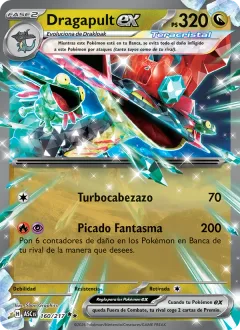
Spread damage
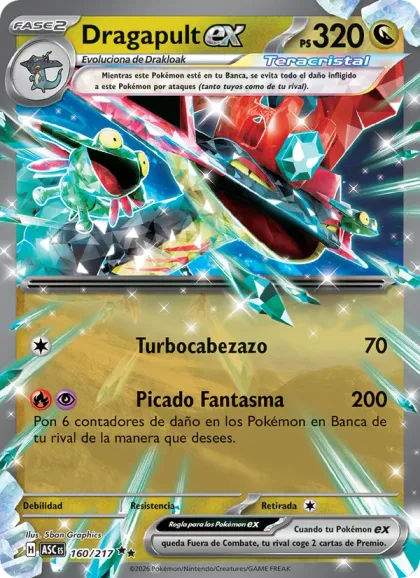
It spreads damage counters across the opponent's Bench to leave several Pokémon one hit from falling and take several Prize cards in a single turn.
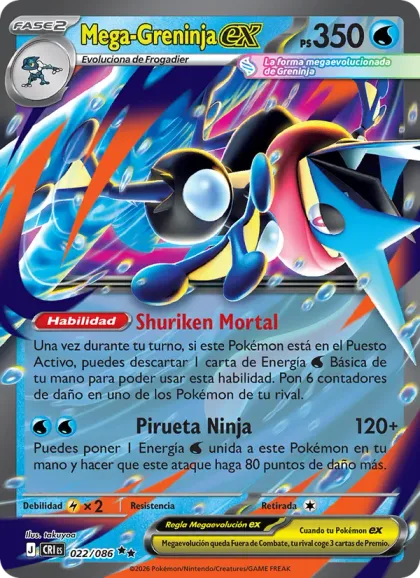
Examples: Dragapult ex, Mega Greninja ex.

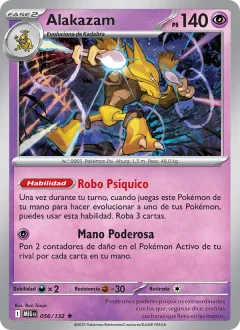
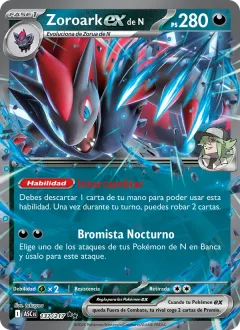
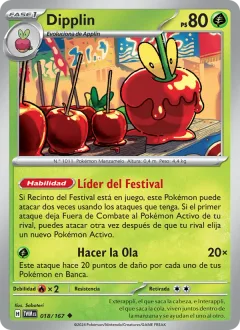
Combo and draw engine
It takes a few turns to set up, but draws lots of cards and chains Abilities or attacks that the opponent does not expect.
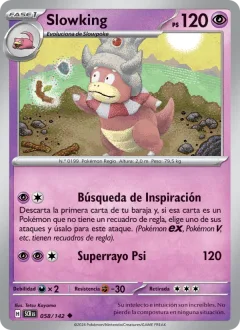
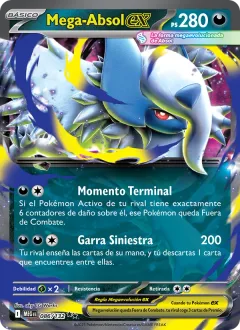
Examples: Alakazam, N's Zoroark ex, Dipplin, Slowking, Mega Absol ex.
Big Pokémon and attrition
It accelerates Energy and wins with Pokémon with lots of HP, which withstand hits and heal or scale with the board.
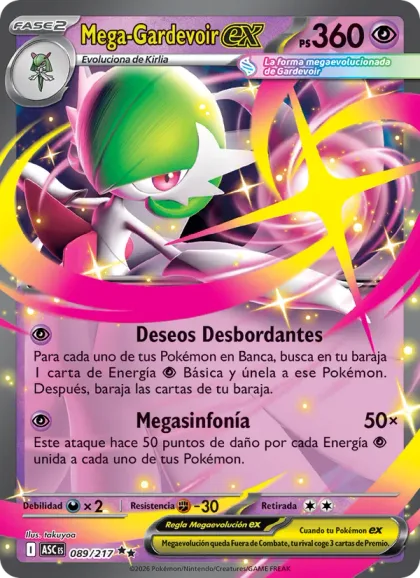
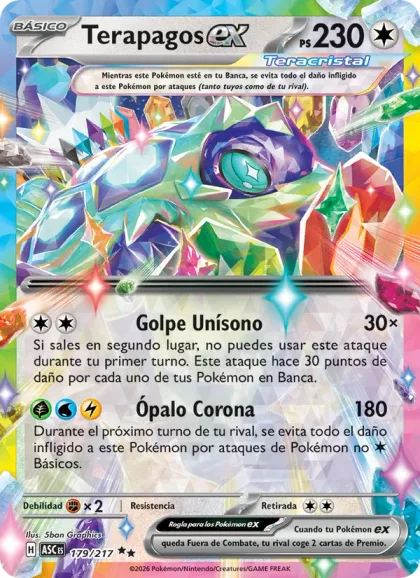
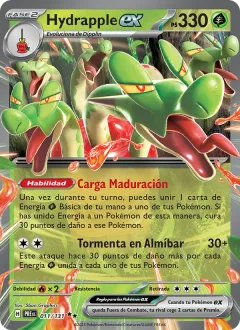
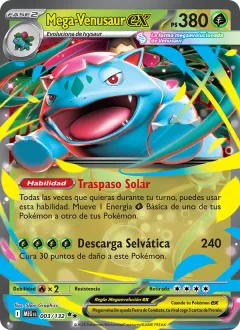
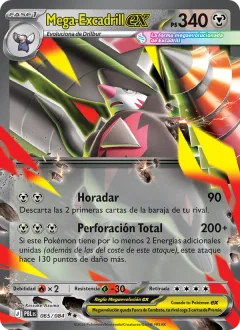
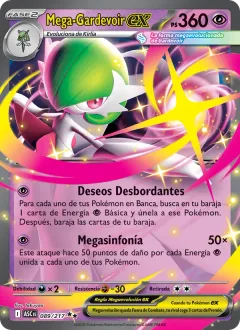
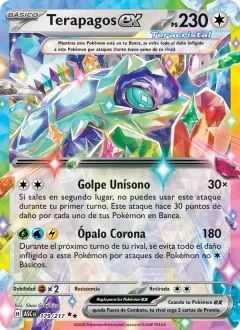
Examples: Hydrapple ex, Mega Venusaur ex, Mega Excadrill ex, Mega Gardevoir ex, Terapagos ex.
Wall and control
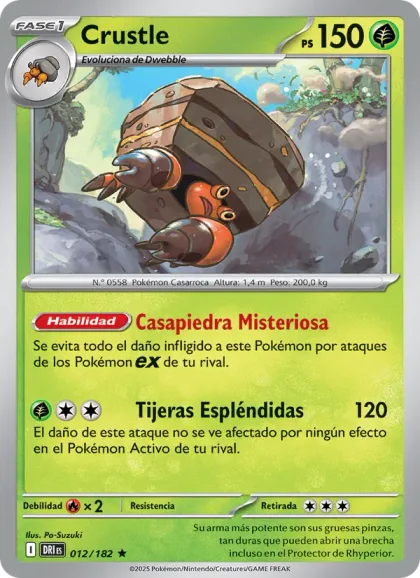
It stalls the opponent's plan with Pokémon that block damage or effects that take away their resources, and wins through patience.
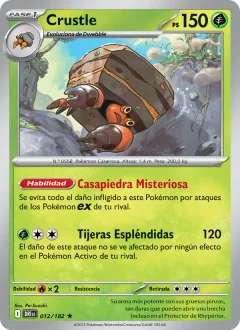
Examples: Crustle, Mega Venusaur ex.
Prizes set the pace
Although every style is after 6 Prizes, they don't need the same number of games won. A normal Pokémon gives 1 Prize, a Pokémon ex gives 2 and a Mega Evolution Pokémon ex gives 3, so the minimum number of Pokémon you have to Knock Out changes:
| What you knock out | Prizes per Pokémon | Pokémon needed to win |
|---|---|---|
| Non-ex Pokémon | 1 | 6 |
| Pokémon ex | 2 | 3 |
| Mega Evolution Pokémon ex | 3 | 2 |
It works the same the other way round: a deck whose attacker isn't an ex gives up a single Prize each time it falls. That is why decks such as Crustle, Slowking, Dipplin can lose several Pokémon and still be close to winning, while a Mega ex deck loses the game after just two losses. That is why wall decks and non-ex Pokémon decks exist: they trade speed for an advantage in the Prize count.
How the styles match up
It is a tendency, not a rule, and the specific list matters more than the style:
| Style | Usually struggles against | Why |
|---|---|---|
| Aggro | Wall and control | Its damage is wasted against a Pokémon that blocks ex attackers, and if it doesn't attack early it runs out of plan |
| Spread damage | Aggro | It spreads counters across the Bench, but takes a while to set up a three-stage line and the aggro deck is already ahead on Prizes |
| Combo and draw engine | Spread damage | Its support Pokémon on the Bench have low HP and fall to spread counters |
| Big Pokémon | Aggro | If the opponent takes Prizes before it accelerates its Energy, it arrives late |
| Wall and control | Combo | Decks that don't depend on attacking with ex Pokémon slip past the wall |
Use it to decide what you can play and which decks to try first, not to rule out a deck you like: almost every matchup can be won with a good hand and good decisions.
How to choose yours
- If you want short games, an aggro deck is the most direct option.
- If you enjoy calculating, spread damage and combos reward planning.
- If you prefer to hold on, a big Pokémon or a wall gives you room to think.
- If you are unsure, start with a simple deck and change style once you know the rules.