How Energy works
Once per turn you attach an Energy card to one of your Pokémon. That Energy stays attached and pays the cost of its attacks. There are eight types of Basic Energy: Grass, Fire, Water, Lightning, Psychic, Fighting, Darkness and Metal. In addition, attacks can ask for Colorless Energy, which is paid for with any type.
Dragon-type Pokémon are a special case: they have no Energy of their own and their attacks are paid for with two different types.
Grass
Energy acceleration, healing and sturdy Pokémon that win by attrition.
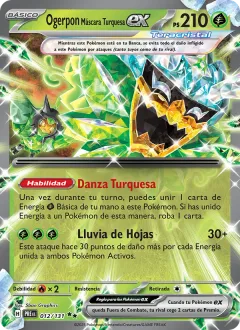
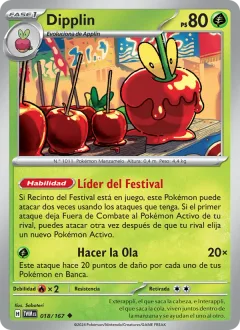
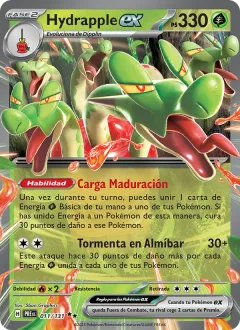
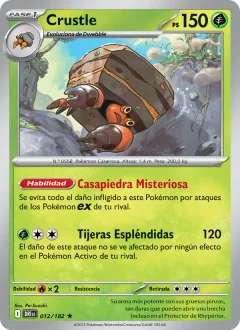
Fire
Huge hits in exchange for spending Energy: only a few turns to win the game.
Water
Rhythm and flexibility: drawing cards, switching positions and spread damage.
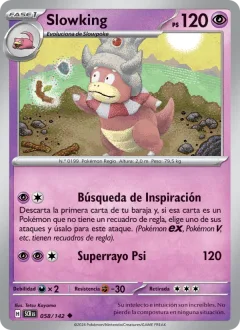
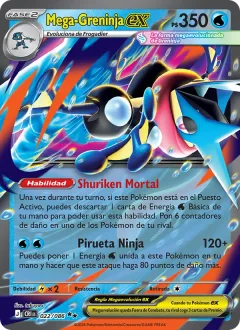
Lightning
Speed: accelerated Energy and attacks that scale with what you discard.
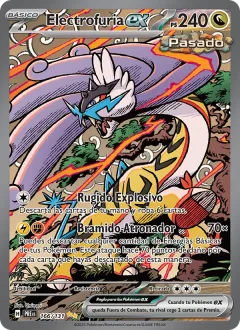
Psychic
Combos, card draw and damage counters: whoever plans best wins.
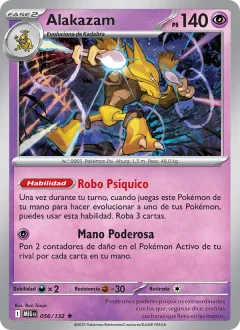
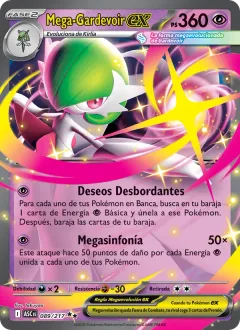
Fighting
Sturdy Pokémon and direct hits, with plenty of walls and punishing attacks.
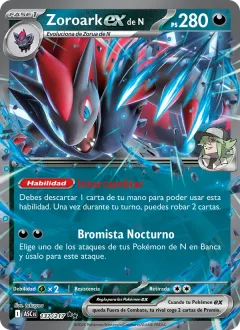
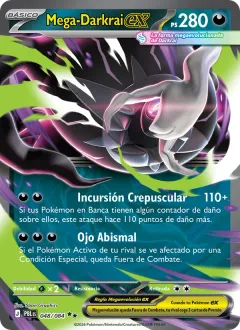
Darkness
Discard, Bench damage and tricks that disrupt your opponent's plans.
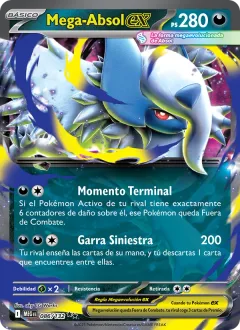
Metal
Pokémon with lots of HP and heavy-hitting attacks, in exchange for high Retreat Costs.
Dragon
Powerful Pokémon that combine two types of Energy, because they have no Energy type of their own.
Colorless
Paid for with any Energy: flexible and easy to include in any deck.
Basic Energy and Special Energy
Basic Energy cards (the eight above) have no copy limit and only serve to pay costs. Special Energy cards also pay costs, but they have an effect or a condition as well, and are limited to 4 copies per name, like the rest of the cards. Some provide a single type and others several, so read them before counting them as a normal Energy of your type.
How to read an attack's cost
Each symbol in the cost is an Energy that must be attached to the Pokémon. A coloured symbol demands that type; the Colorless symbol accepts any. Three real examples from the October 2026 Standard:
| Attack | Cost | What it means |
|---|---|---|
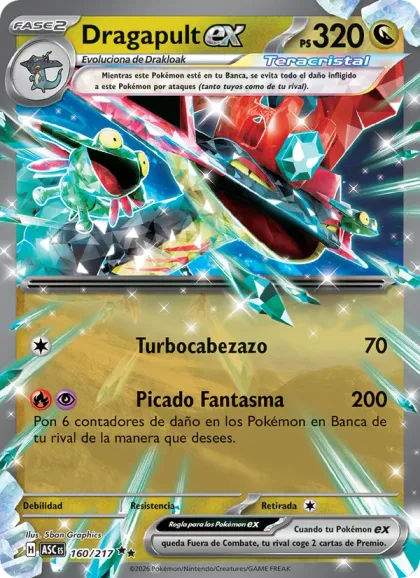
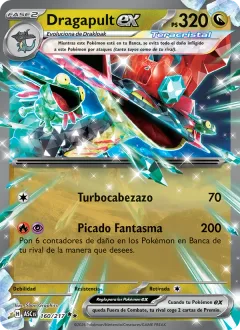
| Phantom Dive (Dragapult ex) | Fire and Psychic | You need two different Energy types on the same Pokémon: with two Psychic you can't attack |
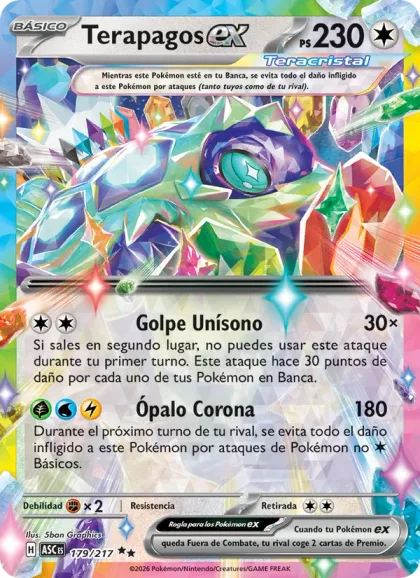
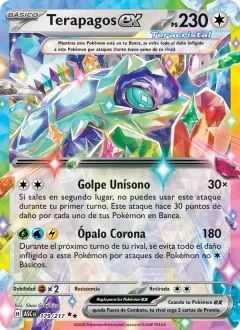
| Crown Opal (Terapagos ex) | Grass, Water and Lightning | Three different types: it can only be paid if the deck spreads Energy across several colours |
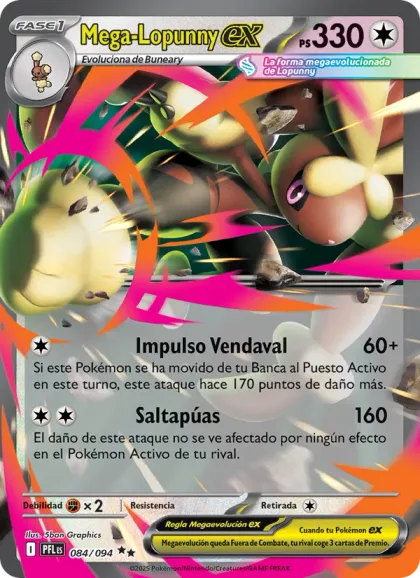
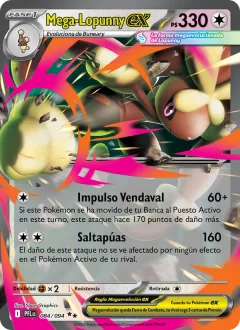
| Gale Thrust (Mega Lopunny ex) | One Colorless | Any Energy works, so the deck barely depends on which type it plays |
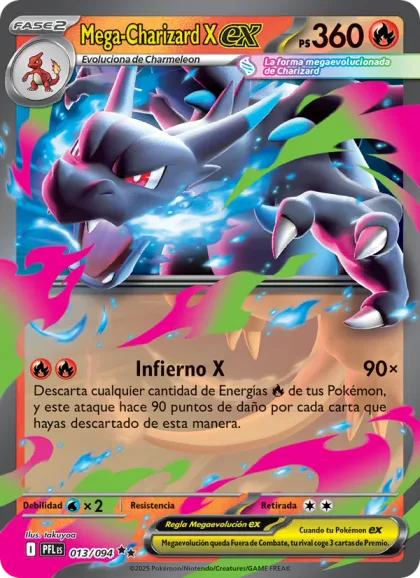
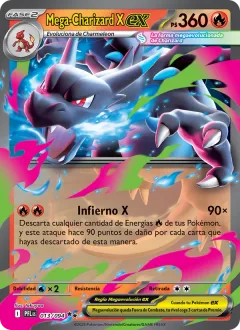
Some attacks also discard Energy when used, such as Inferno X from Mega Charizard X ex, which does 90 damage for each Fire Energy you discard. In those cases the Energy is spent.
Weakness: why Fire matters so much right now
Most Pokémon have a Weakness: if a Pokémon of that type attacks them, the damage is doubled (×2). These are the Weaknesses of the main attacker in the 18 archetypes we cover on this site:
| Weakness of the main attacker | Archetypes |
|---|---|
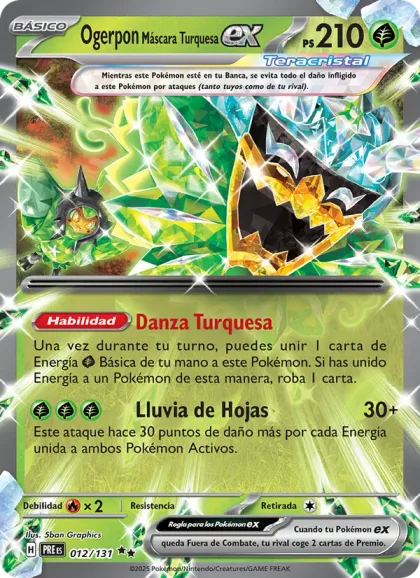
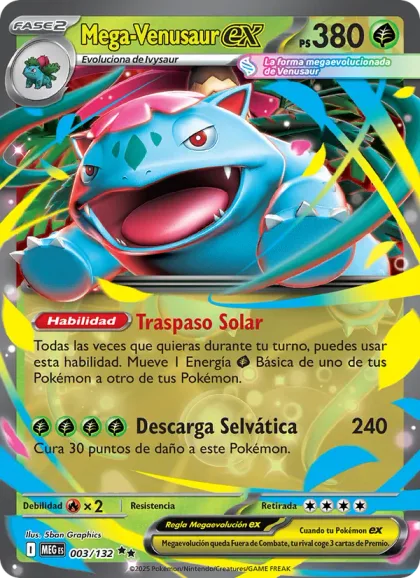
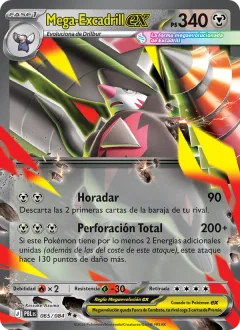
| Fire | 6: Teal Mask Ogerpon ex, Hydrapple ex, Dipplin, Crustle, Mega Excadrill ex and Mega Venusaur ex |
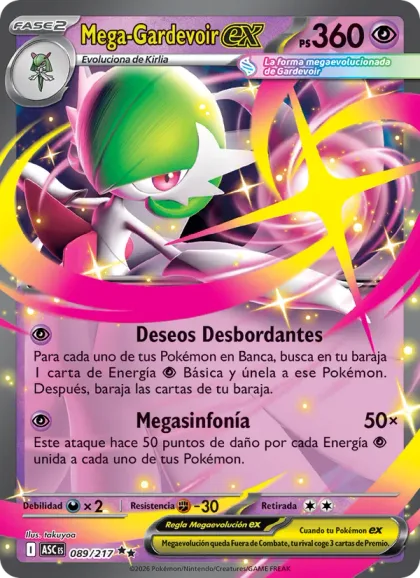
| Darkness | 3: Slowking, Alakazam and Mega Gardevoir ex |
| Grass | 3: N's Zoroark ex, Mega Darkrai ex and Mega Absol ex |
| Fighting | 2: Mega Lopunny ex and Terapagos ex |
| Water | 1: Mega Charizard X ex |
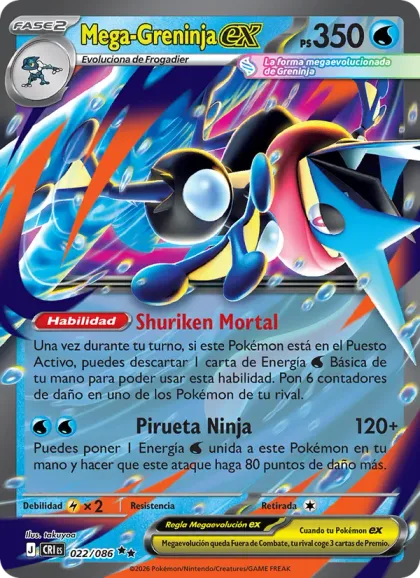
| Lightning | 1: Mega Greninja ex |
| None | 2: Dragapult ex and Raging Bolt ex |
Two useful readings. A third of the archetypes have a Weakness to Fire, so a well-paid Fire attacker hits them for double. And the three Darkness decks are weak to Grass, the main type of five archetypes. This is a snapshot from October 2026 and it changes with every set: before choosing a deck, look at what you are going to meet.
How much Energy of each type to play
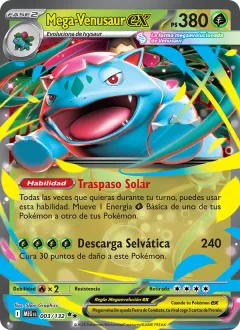
Count, for the attack you really use, how many Energy of each type it asks for and how many you can accelerate with your own cards. In a two-type deck such as Fire and Psychic, split the Energy according to the type you find hardest to get in time, not necessarily half and half. Decks that accelerate Energy with an Ability or an attack, such as Mega Gardevoir ex or Hydrapple ex, can play less Energy than those that rely on drawing. And a single-type deck, such as Mega Venusaur ex (four Grass Energy in its main attack), needs plenty of that type but has no splitting decision to make.
How to choose your deck's type
- If you want a direct plan, choose a type with simple attackers, such as Fire or Colorless.
- If you like combining, Psychic and Darkness have lots of combos and draw engines.
- If you want to hold on, Grass and Metal offer Pokémon with lots of HP.